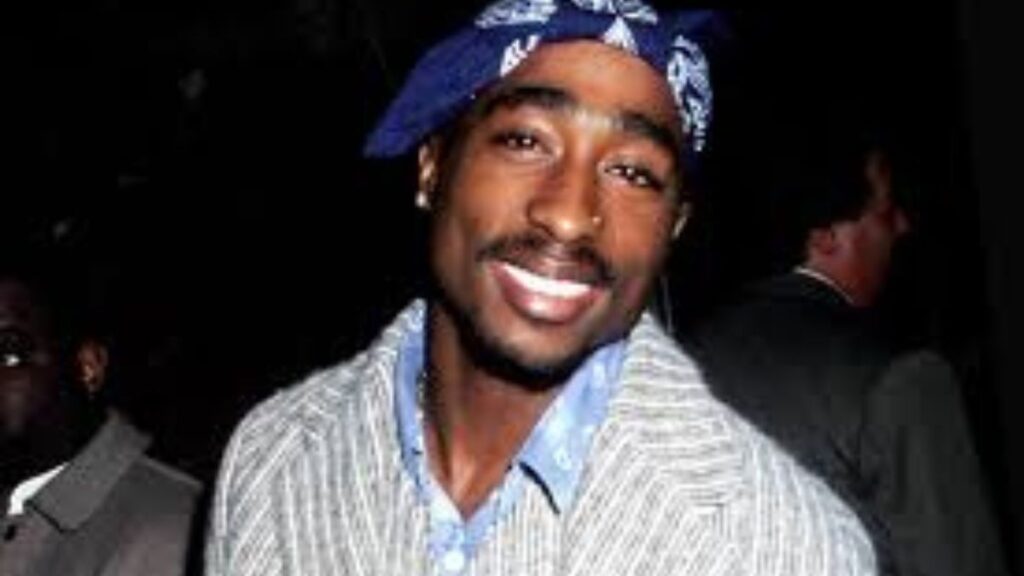
Introduction to Chinua Shakur
Chinua Shakur is a name that resonates deeply in the realms of art and activism. A powerful figure whose work transcends traditional boundaries, Shakur embodies the spirit of resistance through creativity. With roots steeped in culture and history, his journey speaks to many who seek change through expression. As an artist, he utilizes his talents not just for aesthetic pleasure but as a means to challenge societal norms and provoke thought.
From vibrant murals to poignant poetry, each piece tells a story—one that reflects struggles faced by marginalized communities while inspiring hope for future generations. Dive into the multifaceted world of Chinua Shakur, where every brushstroke and word serves as both a mirror and a weapon against injustice.
Early Life and Influences
Chinua Shakur was born into a world marked by struggle and resilience. Growing up in a neighborhood that faced systemic challenges, he quickly learned the power of voice and expression.
Family played an essential role in shaping his worldview. His parents were activists who instilled values of justice and equality from an early age. Their commitment to social change ignited a spark within him.
Art became his refuge during turbulent times. Influenced by the works of great thinkers like James Baldwin and Audre Lorde, Chinua found inspiration in their narratives of resistance.
Music also left its mark on his journey; hip-hop rhythms fueled his creativity, providing both solace and motivation. These various influences converged to lay the foundation for an artist whose work would resonate deeply with many, transcending boundaries through poignant storytelling.
The Rise of Activism in Shakur’s Work
Chinua Shakur’s artwork embodies a powerful voice for social justice. His rise as an activist artist coincided with turbulent times in society. Through his canvases, he confronted systemic oppression and inequality.
Shakur’s work transcends mere aesthetics; it sparks conversations about race, identity, and the human experience. Each piece serves as a reflection of the struggles faced by marginalized communities.
His ability to weave personal narratives into broader societal themes resonates deeply with audiences. This connection fosters empathy and understanding among diverse groups.
As he gained recognition, Shakur used various platforms to amplify his message. He collaborated with other activists, merging art and advocacy seamlessly.
This synergy allowed him to address pressing issues such as police brutality and economic disparity through compelling visuals that demand attention. His commitment exemplifies how art can challenge norms while inspiring change within society.
Art as a Form of Resistance
Art has long served as a powerful tool for resistance. Chinua Shakur harnesses this force, weaving together narratives that challenge oppression and injustice.
Through vivid imagery and poignant lyrics, every stroke or word amplifies voices often silenced. Shakur’s work confronts societal norms head-on, sparking conversations in spaces where silence is expected.
His art invites reflection on systemic issues like racism and inequality. Each piece acts as both shield and sword against ignorance.
By engaging audiences emotionally, he cultivates empathy. This connection can ignite action, bringing communities together to demand change.
Shakur reminds us that creativity isn’t just about expression; it’s a call to arms against the status quo. In his hands, art becomes a beacon of hope in dark times—an invitation to envision a more equitable world.
Impact on Culture and Society
Chinua Shakur’s influence extends far beyond the canvas. His work has sparked conversations around social justice, identity, and resistance.
Through powerful imagery and thought-provoking themes, he challenges societal norms. His art serves as a mirror reflecting the struggles faced by marginalized communities.
Shakur’s pieces often serve as rallying cries for change. They resonate with those seeking to find their voice in a world that often silences them.
His collaborations with activists amplify these messages further, blending creativity with purpose. This fusion not only enriches cultural dialogues but also inspires action across various platforms.
As people engage with his work, they are compelled to reflect on their own roles within society. Shakur fosters a deeper understanding of systemic issues while encouraging collective responsibility toward creating change.
Legacy and Continued Influence
Chinua Shakur’s legacy is a vibrant tapestry woven from the threads of activism and creativity. His work continues to spark conversations about social justice, identity, and resistance.
Artists today draw inspiration from his fearless approach. They see the power in merging their craft with advocacy, just as he did. This fusion transforms art into a tool for change.
Shakur’s influence extends beyond traditional boundaries. It resonates in music, literature, and visual arts alike. Emerging voices echo his themes of resilience and empowerment.
Communities still gather around his messages, rallying for rights while celebrating culture. Events honoring his contributions serve as reminders of the ongoing struggle for equality.
His spirit lives on in those who dare to challenge norms through their art. Each new generation carries forward the torch he lit—reminding us that creativity can fuel movements and inspire hope.
Conclusion
Chinua Shakur stands as a powerful figure at the crossroads of activism and art. His work embodies the struggles faced by marginalized communities, serving both as a mirror reflecting societal issues and a hammer driving change. Through his unique approach to creativity, he has inspired countless individuals to find their voices.
Born into an environment rich with cultural influences, Shakur’s early life shaped his perspectives on justice and expression. Surrounded by stories of resilience and resistance, he was primed to channel these themes into his art. This background fueled his passion for activism.
As Shakur’s career flourished, so did his commitment to social issues. He deftly used various artistic mediums—poetry, painting, music—to highlight injustices in society. Each piece became not just an artwork but also a rallying cry for change.
His art serves as a form of resistance against oppression. It challenges viewers to confront uncomfortable truths while simultaneously offering hope for transformation through collective action. The emotional depth found in Shakur’s work resonates deeply within audiences.
The impact of Chinua Shakur extends beyond individual pieces; it has influenced culture at large. Engaging discussions around race, identity, and empowerment have emerged from his contributions. Many artists today draw inspiration from him in their own quests for social equity through creative expression.
Shakur’s legacy continues to thrive across generations of activists and artists alike who seek truth through their craft. The dialogues sparked by his work remain relevant today as new movements emerge globally focused on advocacy and representation.
Through all this exploration of Chinua Shakur’s journey—from personal history to broader societal impacts—it becomes clear that art can indeed be a catalyst for meaningful dialogue and transformative action.