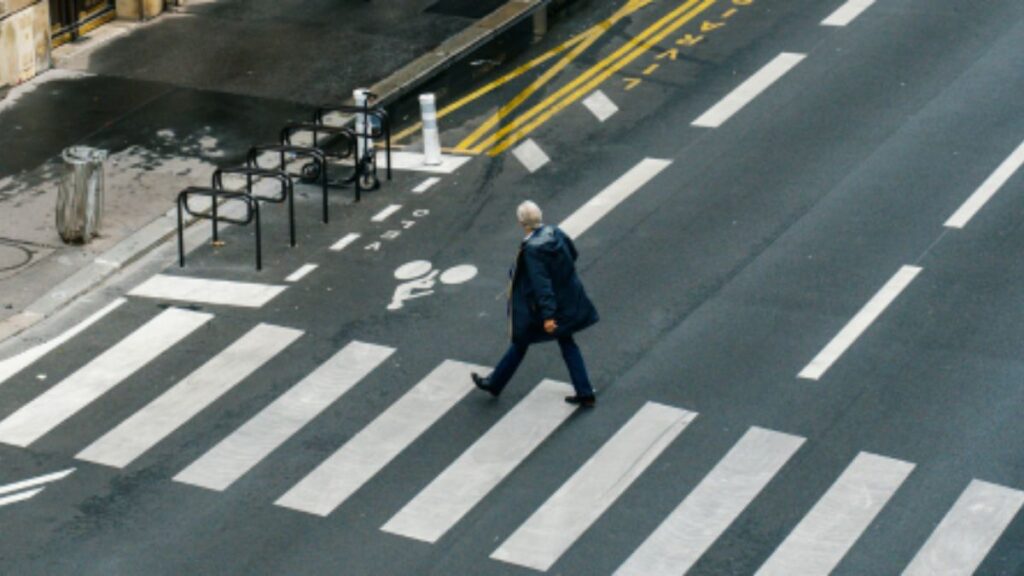
Introduction to Toucan Crossing
Imagine a bustling city street, where pedestrians and cyclists seamlessly navigate the urban landscape. It’s not just a dream; it’s becoming reality with the rise of toucan crossing. These innovative crossings are changing how we think about mobility in our cities. By allowing both cyclists and pedestrians to cross together, they’re transforming busy intersections into safer spaces for everyone. As urban populations grow, so does the need for effective solutions that prioritize safety and accessibility. Let’s explore how toucan crossing are making strides in urban mobility while enhancing safety for all road users.
History and Development of Toucan Crossing
Toucan crossings originated in the United Kingdom during the early 1990s. The concept was introduced to create safer environments for both cyclists and pedestrians at busy intersections.
The design combines elements from traditional pedestrian crossings and cycle paths. By allowing both groups to cross simultaneously, toucan crossings promote urban mobility.
Their name reflects the idea that two can cross together—just like a pair of toucans perched side by side.
Over time, cities recognized their effectiveness in reducing accidents and improving traffic flow. As urban areas expanded, so did the need for innovative solutions like these crossings.
Today, many countries have adopted this approach as part of broader efforts to enhance road safety and encourage sustainable transportation options. Each successful installation marks progress toward more accessible city landscapes.
The Benefits of Toucan Crossings for Urban Mobility
Toucan crossings offer a fresh approach to urban mobility. They allow cyclists and pedestrians to cross streets simultaneously, enhancing the flow of traffic.
By accommodating both groups, these crossings reduce wait times at intersections. This efficiency encourages more people to choose cycling or walking over driving. As public transport use increases in cities, toucan crossings serve as a vital link between different modes of transit.
Their design promotes safer interactions between vehicles and non-motorized users. When everyone has dedicated space on the road, confusion decreases.
Additionally, toucan crossings often incorporate advanced technology like sensors and smart signals. These innovations help manage traffic better while prioritizing safety for vulnerable users.
This harmonization fosters healthier lifestyles by making active transportation options appealing and accessible for all city dwellers. With an emphasis on inclusivity, they play a crucial role in shaping sustainable urban environments where mobility thrives.
The Impact of Toucan Crossings on Pedestrian Safety
Toucan crossings significantly enhance pedestrian safety, especially in busy urban areas. By allowing both pedestrians and cyclists to share the crossing space, they reduce conflicts between different types of road users.
These crossings come equipped with intuitive signal systems that alert drivers when someone is waiting to cross. This visibility gives vulnerable road users a better chance of making it across safely.
Moreover, toucan crossings are often strategically placed near popular destinations like schools or parks. Their positioning encourages more people to walk or cycle instead of relying on cars, which can lead to fewer vehicles on the road.
The design also promotes slower traffic speeds in adjacent areas. As vehicles approach these crossings, drivers are reminded to be vigilant and yield to those who have the right of way. This collective awareness fosters a safer environment for everyone sharing our streets.
Challenges and Limitations of Toucan Crossings
While toucan crossings offer numerous benefits, they are not without their challenges. One prominent issue is the space required for these crossings. In densely populated urban areas, finding adequate room can be a hurdle.
Additionally, driver awareness poses another concern. Not all drivers understand the specific signals and rules associated with toucan crossings. This lack of knowledge can lead to dangerous situations for cyclists and pedestrians alike.
Maintenance also becomes critical over time. Signals may malfunction or become obscured by vegetation, leading to confusion about right-of-way priorities.
Furthermore, there’s the potential for increased congestion at busy intersections where toucan crossings are implemented. If not managed properly, this could negate some of the intended benefits on overall mobility in urban settings.
Public perception plays a role too; resistance from local communities might slow down or hinder installation efforts entirely.
Case Studies: Successful Implementation of Toucan Crossings in Cities
Cities around the world have embraced toucan crossings to enhance urban mobility. In London, for instance, several busy intersections now feature these pedestrian and cyclist-friendly systems. Feedback from users has been overwhelmingly positive, highlighting improved flow and reduced waiting times.
In Melbourne, local authorities implemented toucan crossings in areas with high foot and bike traffic. This initiative not only eased congestion but also encouraged more people to cycle, contributing to a healthier lifestyle.
Further afield in Amsterdam, the integration of toucan crossings into existing cycling infrastructure demonstrated significant benefits. Cyclists reported feeling safer navigating through mixed traffic situations thanks to clear signaling and dedicated crossing points.
These case studies illustrate that when cities invest in smart infrastructure like toucan crossings, everyone wins—whether on foot or two wheels. Each successful implementation provides valuable insights for future projects globally.
Future Possibilities and Advancements in Toucan Crossing Technology
The future of toucan crossings looks promising, especially with the advent of smart city technology. Integrating sensors and real-time data can enhance their functionality. Imagine automatic traffic signal adjustments based on pedestrian volume or weather conditions.
Artificial intelligence could also play a role. AI systems might analyze foot traffic patterns to optimize crossing times, improving flow for both pedestrians and cyclists.
Moreover, integrating toucan crossings with mobile apps can empower users to receive notifications about wait times or nearby congestion. This could lead to better-informed choices on when and where to cross.
Sustainability is another avenue worth exploring. Solar-powered signals could minimize energy use while ensuring visibility at all hours.
These advancements present exciting opportunities, not just for urban mobility but also for creating safer environments in our cities. The evolution of toucan crossings may very well redefine how we experience urban space.
Conclusion
Toucan crossing have emerged as a key element in enhancing urban mobility and safety. Their unique design allows both pedestrians and cyclists to navigate busy streets more effectively. By prioritizing non-motorized users, cities can foster healthier lifestyles and reduce traffic congestion.
The history of toucan crossings reveals their evolution from simple pedestrian signals to the sophisticated systems we see today. Cities that have embraced these crossings are experiencing tangible benefits, including improved accessibility for all users.
While challenges exist—such as the need for public awareness and proper maintenance—the advantages often outweigh the drawbacks. Case studies highlight how successful implementations lead to safer environments where active transportation thrives.
Looking ahead, advancements in technology may further optimize toucan crossing features, integrating smart solutions that enhance safety and efficiency even more. As urban areas continue to grow, embracing this innovative infrastructure will play a crucial role in shaping sustainable cities for future generations.